
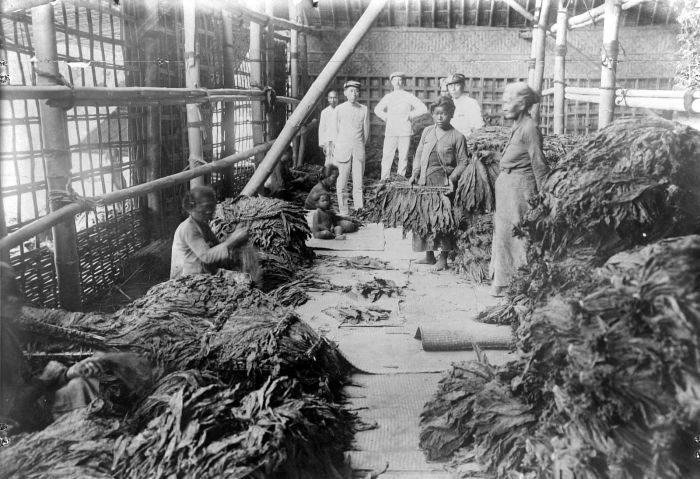
The Cultivation System (Dutch: cultuurstelsel) was a system of forced labor used to grow cash crops to pay taxes and for export. It was Dutch government policy from 1830 until 1870 in its Dutch East Indies colony (now Indonesia), requiring a portion of agricultural production to be devoted to export crops. It is referred to by Indonesian historians as tanam paksa (“enforced planting”).
The policy brought the Dutch enormous wealth through export growth, averaging around 14%. It brought the Netherlands back from the brink of bankruptcy and made the Dutch East Indies self-sufficient and profitable extremely quickly. As early as 1831, the policy allowed the Dutch East Indies budget to be balanced, using the surplus revenue to pay off debts from the defunct VOC regime. The cultivation system is linked to famines and epidemics in the 1840s, firstly in Cirebon and then Central Java, as cash crops such as indigo and sugar had to be grown instead of rice.