
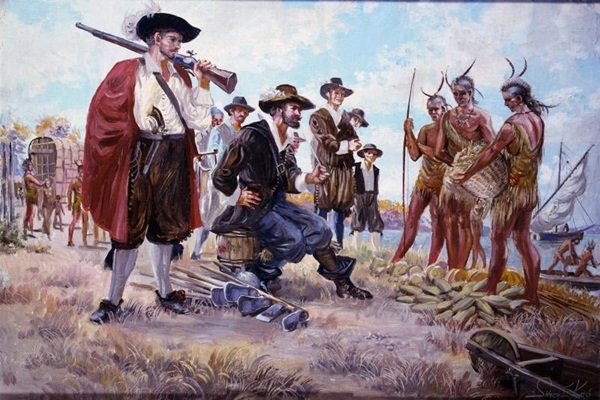
The European migration to the Americas had devastating consequences for many Native American tribes, driven by disease, forced displacement, warfare, and systemic policies of eradication.
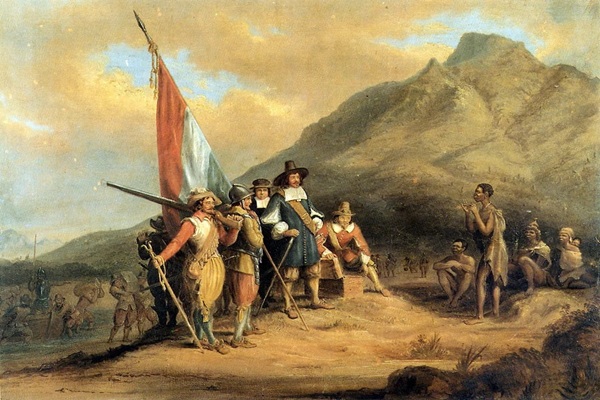
Below is a synthesis of key tribes and groups profoundly impacted, based on historical records and scholarly research:
- Population Collapse from Disease
European-introduced diseases like smallpox, measles, and influenza decimated Indigenous populations, who lacked immunity. By some estimates, 80–95% of Native Americans died within the first 100–150 years of contact due to epidemics.
– The Powhatan Confederacy (Chesapeake Bay region): Their population plummeted from tens of thousands to a few thousand after English colonization, exacerbated by disease and conflict with Jamestown settlers.
– The Quapaw (Arkansas): Nearly obliterated by a smallpox epidemic in 1698, which spread via European trade networks.
– Inca and Aztec Empires: While not tribes per se, these civilizations were crippled by smallpox before direct European conquest, facilitating their collapse.
- Forced Relocation and the Trail of Tears
The Indian Removal Act of 1830 authorized the displacement of tribes east of the Mississippi River. The Cherokee, Choctaw, Creek, Chickasaw, and Seminole (collectively called the “Five Civilized Tribes”) were forcibly relocated to Oklahoma. Approximately 4,000 Cherokee died during the 1838 Trail of Tears due to harsh conditions.
- Massacres and Targeted Violence
– Delaware (Lenape): In the 1782 Gnadenhutten Massacre, 96 Christianized Delaware were killed by Pennsylvania militiamen, reflecting growing settler hostility.
– Cheyenne and Arapaho: The 1864 Sand Creek Massacre saw U.S. troops slaughter 160 peaceful Cheyenne and Arapaho, mostly women and children, despite their display of a U.S. flag.
– Creek Nation: After the Creek War (1813–1814), General Andrew Jackson forced the Creek to cede 21 million acres. Many died in forced marches westward.
- Cultural and Environmental Disruption
– Iroquois Confederacy: Smallpox outbreaks in the 17th century caused repeated epidemics, killing thousands and destabilizing their political structure.
– Southeastern Tribes: Policies like the “congregación” (forced settlements under Spanish rule) disrupted traditional lifestyles, concentrating populations and accelerating disease spread.
- Near-Extinction of Smaller Tribes
Some smaller groups, such as the Beothuk of Newfoundland (not explicitly mentioned in sources but historically documented), were entirely wiped out by violence, disease, and displacement. While the provided sources emphasize broader trends, regional studies note similar fates for tribes like the Kalina (Caribbean) and Taino (Hispaniola), who faced enslavement and epidemics.
Legacy and Survival
While many tribes faced near-total population collapse, most were not entirely eradicated. Survivors often merged with other groups or persisted through resilience. For example, the Cherokee Nation rebuilt in Oklahoma, and the Powhatan descendants are recognized today as Virginia tribes. However, the loss of life, land, and cultural heritage remains a profound tragedy.
For further details, consult sources like the National Geographic Society’s overview of colonial impacts or the National Park Service’s Trail of Tears documentation.